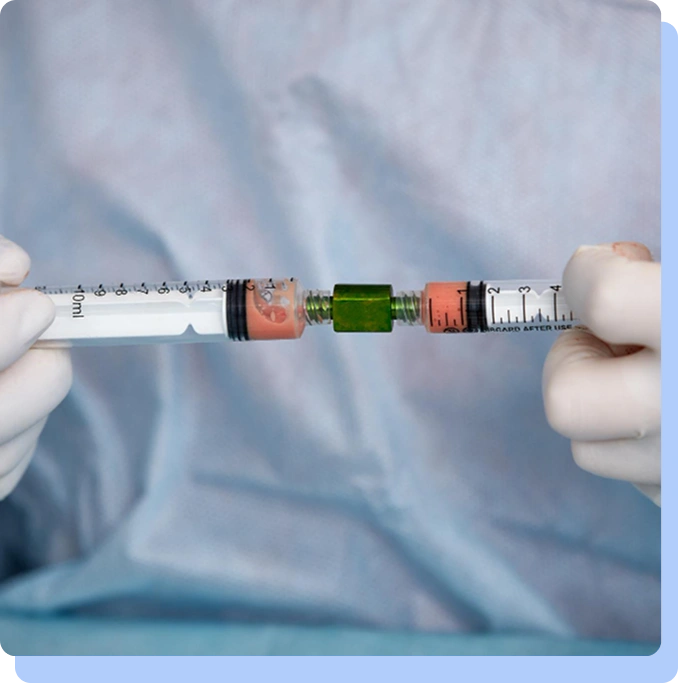

Glucagon-like peptide-1 (GLP-1) receptor agonists have become a central focus in the study and management of metabolic health, particularly in areas such as blood sugar regulation and weight-related conditions. Among these, semaglutide is one of the most widely discussed compounds due to its availability in both injectable and oral forms.
This page explains how semaglutide compares conceptually with oral GLP-1 medications, including how delivery methods influence absorption, effectiveness, and patient considerations. Rather than focusing on brand comparisons or promotional claims, the goal here is to provide a clear, educational overview grounded in current research and clinical understanding.
If you’re new to this category, you may find it helpful to first review our overview of what semaglutide is and how it works before continuing.
GLP-1 receptor agonists are a class of medications that mimic the action of a naturally occurring hormone called glucagon-like peptide-1. This hormone plays a role in:
These mechanisms are why GLP-1–based therapies are commonly studied and used in metabolic conditions.
Semaglutide is a synthetic GLP-1 receptor agonist designed to have a longer duration of action compared to earlier compounds. It is available in:
Both versions contain the same active molecule, but the delivery method significantly affects how the body absorbs and processes it.

The primary difference between injectable and oral GLP-1 medications is how the drug enters the bloodstream.
Because GLP-1 molecules are peptides (protein-based), they are naturally broken down in the digestive tract. This creates challenges for oral formulations.
Injectable semaglutide is administered subcutaneously (under the skin), allowing it to:
This contributes to its long half-life, which enables once-weekly dosing in many cases.
Because injectable semaglutide does not rely on digestive absorption, it tends to produce:
This consistency is one reason injectable GLP-1 medications have been widely studied in clinical trials.
Oral semaglutide and similar formulations use specialized absorption technologies to protect the peptide as it passes through the stomach.
One approach involves co-formulating the drug with absorption enhancers that:
Even with these innovations, oral GLP-1 medications generally have:
For example, oral semaglutide must typically be taken:
These requirements are necessary to optimize absorption but may affect adherence for some individuals.
This difference can influence how much of the drug reaches systemic circulation.
Frequency can affect convenience and routine integration.
Injectable formulations tend to provide:
Oral formulations may show:
Injectable:
Oral:
Both oral and injectable GLP-1 medications can affect the digestive system due to their mechanism of slowing gastric emptying.
However, oral formulations may introduce additional variability because they interact directly with the GI tract during absorption.
This is a common question, but the answer is nuanced.
Current research suggests that oral semaglutide can achieve meaningful biological effects, but:
Rather than being “less effective,” it may be more accurate to say that oral delivery introduces more variables that can influence outcomes.

Some individuals may prefer oral GLP-1 medications due to:
However, this convenience can be offset by strict administration requirements.
Injectable semaglutide may be considered in cases where:
These considerations are often discussed between patients and healthcare providers based on individual needs.
Yes, both forms contain the same active molecule. However, they differ in how the drug is delivered and absorbed, which can affect dosing, consistency, and administration requirements.
GLP-1 molecules are peptides that are easily broken down in the digestive system. Oral formulations require specialized technology to protect the drug and allow absorption, which introduces complexity and variability.
Current research suggests that oral semaglutide can be effective, but it may require strict adherence to dosing instructions and may show more variability in outcomes compared to injectable forms.
Both forms have been studied for safety, but their risk profiles may differ slightly due to absorption and dosing differences. Safety considerations should always be discussed with a qualified healthcare provider.
They eliminate the need for injections, which some people prefer. However, they require specific timing (e.g., taking on an empty stomach and waiting before eating), which can make them less convenient in practice for some individuals.
Research is ongoing into additional oral peptide therapies, but options remain limited compared to injectable GLP-1 medications. Many compounds are still investigational.
Semaglutide provides a useful case study in how delivery methods can influence the behavior of GLP-1 medications. While the active compound is the same, injectable and oral forms differ in absorption, consistency, dosing, and practical use.
Injectable semaglutide offers more predictable pharmacokinetics and less variability, while oral formulations provide a non-injectable alternative that requires careful adherence to dosing conditions.
As research continues to evolve, both approaches may play important roles in the broader landscape of GLP-1–based therapies. Understanding these differences can help support more informed discussions with healthcare professionals.
For a deeper dive into how semaglutide works in the body, see our guide on semaglutide mechanisms and effects.