
Semaglutide is widely discussed in the context of blood sugar control and weight management, but interest has expanded into other areas of metabolic health—including liver function. In particular, researchers and clinicians are increasingly examining how semaglutide may relate to fatty liver disease and broader metabolic liver conditions.
This page explores what is currently known about semaglutide and liver health, including how it may influence liver fat, inflammation, and metabolic markers. It also outlines important limitations in the research and why findings should be interpreted carefully.
The goal is to provide a clear, evidence-aware overview without overstating conclusions. While early data is promising in some areas, semaglutide is not universally positioned as a primary treatment for liver disease, and ongoing research continues to refine its role.
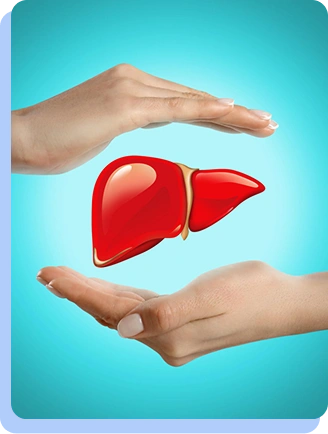


Fatty liver disease refers to the accumulation of excess fat in liver cells. It is commonly divided into two categories:
These conditions are closely linked to:
Because of these connections, fatty liver disease is often considered part of a broader metabolic syndrome.
The liver plays a central role in:
When liver function is impaired, it can contribute to systemic metabolic issues. Over time, untreated fatty liver disease may progress to fibrosis (scarring), cirrhosis, or other complications.
The interest in semaglutide and liver health largely stems from its effects on:
Because fatty liver disease is strongly associated with metabolic dysfunction, interventions that improve these underlying drivers may also influence liver outcomes.
Semaglutide is not a direct cardiovascular drug. Instead, its potential impact on heart health appears to be indirect—through improvements in multiple risk factors.
Elevated blood glucose is associated with long-term damage to blood vessels and increased cardiovascular risk.
Semaglutide helps lower blood sugar levels by improving insulin response and reducing excess glucose production. Over time, better glycemic control may reduce complications related to vascular damage.
This connection is explored further in /semaglutide-and-blood-sugar/.
Excess body weight is a major contributor to cardiovascular risk. It is associated with:
Semaglutide has been studied for its effects on body weight, largely through appetite regulation and reduced caloric intake. Many individuals experience meaningful weight loss, though outcomes vary.
Weight reduction may contribute to improved cardiovascular markers, including:
For more context, see /semaglutide-for-weight-loss/.
Weight loss Improved insulin sensitivity Changes in vascular function
Even small reductions in blood pressure can have meaningful effects on long-term cardiovascular risk.
Research has shown that semaglutide may lead to modest improvements in certain lipid markers, such as:
These changes are likely secondary to weight loss and improved metabolic regulation rather than a direct lipid-lowering effect.
Chronic low-grade inflammation is a known contributor to cardiovascular disease. Some studies suggest that GLP-1 receptor agonists, including semaglutide, may have anti-inflammatory effects.
Additionally, there is ongoing research into how these medications may affect:
These areas are still being actively studied, and more data is needed to fully understand their clinical significance.
Some clinical studies have observed that semaglutide use is associated with:
These findings are generally attributed to:
However, it is important to note that:
A key question in research is whether semaglutide has direct effects on liver tissue, or whether observed improvements are primarily driven by weight loss.
Current evidence suggests that:
This distinction matters because it influences how semaglutide is positioned in liver-related care.
Insulin resistance occurs when cells in the body do not respond effectively to insulin. As a result:
Insulin resistance is a central feature of many metabolic disorders.
Retatrutide’s multi-pathway activity may affect insulin resistance through several mechanisms:
By activating GLP-1 and GIP receptors, retatrutide may help regulate insulin release more effectively in response to meals.
Excess adipose tissue, particularly visceral fat, is closely linked to insulin resistance. Some research suggests that retatrutide may contribute to weight reduction, which can indirectly improve insulin sensitivity.
Activation of glucagon receptors may increase energy expenditure, which could influence metabolic efficiency and insulin responsiveness.
While these mechanisms are promising, it is important to emphasize that:



In conditions like NASH, inflammation contributes to:
Reducing inflammation is a key goal in managing more advanced liver conditions.
Some research suggests that semaglutide may be associated with:
However:
For a broader discussion of inflammation, see:
Fibrosis refers to the buildup of scar tissue in the liver. It is a critical factor in determining:
However, the effect on gastric emptying may decrease over time, while appetite-related effects in the brain continue.
Some studies evaluating semaglutide in patients with NASH have found:
This suggests that while semaglutide may influence early-stage disease processes, its impact on established fibrosis is less clear.
Researchers continue to investigate whether:
may lead to more meaningful changes in fibrosis.
Common liver enzymes include:
Elevated levels may indicate liver stress or injury, although they are not always specific.
Some individuals using semaglutide show:
However:
These markers should be interpreted within a broader clinical context.
Semaglutide is not universally established as a primary treatment for liver disease. While it is approved for certain conditions (such as type 2 diabetes and chronic weight management in specific formulations), its role in liver disease is still being studied.
In research settings, semaglutide is often described as:
In practice, semaglutide may be considered in patients who:
However, treatment decisions are individualized and depend on:

Many improvements in liver markers may result from:
rather than a direct effect on liver tissue.
While short- and medium-term studies are encouraging in some areas:
Evidence for improvements in liver scarring is:
Not all individuals experience the same degree of:
Liver health is influenced by multiple factors, including:
Semaglutide, when used, is typically part of a broader approach.
Semaglutide is being studied for fatty liver disease, particularly in the context of metabolic dysfunction. Current research suggests it may improve liver fat and some metabolic markers, but it is not universally established as a primary treatment for liver disease.
Some studies have observed reductions in liver fat content in individuals using semaglutide, especially when weight loss occurs. However, results vary, and more research is needed to understand the consistency and long-term significance of these findings.
In some cases, decreases in liver enzyme levels (such as ALT and AST) have been reported. These changes may reflect improvements in liver stress, but enzyme levels alone do not fully define liver health.
Semaglutide has been studied in patients with NASH, with some evidence suggesting improvements in inflammation and liver fat. However, its role in treating NASH—particularly advanced disease—remains under investigation.
Current research shows mixed results regarding fibrosis. While some improvements in early disease markers have been observed, consistent reversal of fibrosis has not been clearly established.
Semaglutide may be considered in individuals with metabolic conditions such as obesity or type 2 diabetes, particularly when fatty liver disease is also present. Treatment decisions should always be guided by a qualified healthcare provider.
Semaglutide is increasingly discussed in relation to liver health, particularly in the context of fatty liver disease and metabolic dysfunction. Current research suggests it may influence liver fat, inflammation, and certain biomarkers—largely through its effects on weight and metabolic regulation.
However, important limitations remain. The extent to which semaglutide directly impacts liver disease—especially fibrosis and long-term outcomes—is still being studied. It is best understood as part of a broader metabolic approach rather than a standalone liver-specific therapy.
For those exploring this topic, it can be helpful to also review related areas such as:
As research evolves, understanding the full role of semaglutide in liver health will likely become clearer. For now, a balanced, evidence-aware perspective is essential.