
Semaglutide is a medication that has gained attention in recent years for its role in managing certain chronic health conditions. Originally developed for type 2 diabetes, it is now also prescribed in specific cases for weight management under medical supervision. As interest has grown, so have questions about its potential benefits, how it works, and what individuals can realistically expect.

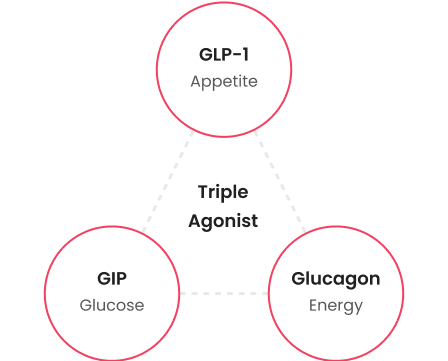
Retatrutide is designed to activate three hormone receptors:
GLP-1
glucagon-like peptide-1
GIP
glucose-dependent insulinotropic polypeptide
Glucagon receptor
These receptors are involved in appetite regulation, glucose metabolism, and energy expenditure. By targeting all three, retatrutide is being studied for its potential to influence multiple metabolic pathways simultaneously.
This multi-pathway approach is one reason researchers are investigating whether it may produce broader or more pronounced effects compared to single- or dual-receptor therapies.
Weight & Body Composition
Reductions in body weight and fat mass observed in trials
Blood Sugar Regulation
Effects on glucose control and HbA1c levels under study
Lipid Metabolism
Potential improvements in cholesterol and triglycerides
Energy Expenditure
Glucagon activity may increase metabolic rate
Appetite Control
Reduced hunger and enhanced satiety mechanisms
Liver Health
Early signals for reduced liver fat content

Semaglutide is FDA-approved for improving blood sugar control in adults with type 2 diabetes.
Clinical trials have shown that semaglutide can lead to meaningful reductions in HbA1c when combined with lifestyle changes and other treatments.
Semaglutide is also FDA-approved (under specific brand formulations and dosing) for chronic weight management in adults with:
Observed benefits include:
It’s important to note that semaglutide is intended to be used alongside diet and physical activity—not as a replacement for them.
Beyond its approved uses, semaglutide has several potential benefits that are supported by varying levels of clinical evidence. These benefits are interconnected and often occur together.
One of the most well-documented effects of semaglutide is its impact on appetite.
Participants in clinical trials often report:
This effect plays a central role in the medication’s contribution to weight loss.
Weight loss is one of the most widely discussed outcomes associated with semaglutide.
For a deeper look at timelines and expectations, see Semaglutide Results Timeline.
Even outside of diabetes-specific use, semaglutide can influence glucose metabolism.
These effects are particularly relevant for individuals with:
However, using semaglutide specifically for these conditions may depend on individual clinical evaluation.
Some clinical studies suggest that semaglutide may provide cardiovascular benefits, particularly in individuals with type 2 diabetes and existing cardiovascular disease.
These findings are based on specific patient groups and may not apply universally. More research is ongoing to better understand these effects in broader populations.
Semaglutide slows the rate at which food leaves the stomach.
While beneficial for many, this effect can also contribute to gastrointestinal side effects in some individuals.
Semaglutide may influence several markers associated with overall metabolic health.
These changes often occur alongside weight loss, making it difficult to isolate the direct effect of the medication versus lifestyle factors.
These effects may be secondary to weight loss, but there is also interest in whether retatrutide has direct metabolic effects on lipid pathways.
Lipid levels are closely tied to cardiovascular health. Improvements in this area could have broader implications if confirmed in long-term studies.
If confirmed, this mechanism could contribute to:
This is an area of active research, as most weight-related interventions primarily focus on reducing intake rather than increasing energy output.


Retatrutide’s GLP-1 and GIP activity may influence appetite-related pathways in the brain, particularly in areas involved in hunger signaling and satiety.
Participants in studies have reported:
Reduced hunger
Increased feelings of fullness after meals
Lower overall calorie intake
Appetite regulation is a key factor in long-term weight management. Interventions that support satiety may help reduce the likelihood of overeating.
Important Limitations & Context
Critical considerations when evaluating potential benefits
Investigational Status
Not approved for general use; availability is limited
Limited Long-Term Data
Safety and durability beyond trials remain unknown
Dose Variability
Effects vary by dosage; optimal protocols still being studied
Side Effects
Gastrointestinal symptoms and tolerability concerns reported
Important Limitations & Context
Retatrutide has been associated with gastrointestinal symptoms including nausea and vomiting. Tolerability varies between individuals and dosages.
Individual Variation
Responses can vary significantly based on genetics, baseline metabolic health, and lifestyle factors. No single outcome can be assumed.
While semaglutide has demonstrated meaningful benefits, it is important to understand its limitations and the context in which it is used.
Semaglutide is most effective when combined with:
Relying on medication alone may limit results or sustainability.
Not everyone experiences the same outcomes.
Factors that influence results include:
Common side effects may include:
These effects are often dose-dependent and may improve over time, but they can limit use for some individuals.
Semaglutide is often intended for long-term use in chronic conditions.
Important considerations:
Access to semaglutide may vary depending on:
These practical factors can influence whether it is a viable option for some individuals.
Some effects, such as appetite reduction, may begin within the first few weeks. Weight-related changes and metabolic improvements typically develop over several months. Individual timelines vary.
No. While many individuals experience weight loss in clinical studies, results are not guaranteed. Outcomes depend on multiple factors, including lifestyle habits and adherence to treatment.
Yes, certain formulations of semaglutide are FDA-approved for chronic weight management in individuals without diabetes who meet specific criteria. A healthcare provider determines eligibility.
Some individuals may regain weight after discontinuation, especially if lifestyle changes are not maintained. Long-term strategies are often needed to sustain results.
Current research supports its use for chronic conditions under medical supervision. However, long-term safety continues to be studied, and ongoing monitoring is important.
Yes. Other GLP-1 receptor agonists and emerging therapies are available or being studied. Each option has different profiles, and selection depends on individual needs and clinical guidance.
At the same time, it is important to approach semaglutide with realistic expectations. It is not a quick fix or standalone solution, and its effectiveness is closely tied to broader lifestyle and medical factors.