
Semaglutide and other GLP-1 receptor agonists are widely discussed in the context of blood sugar management and weight-related outcomes. Alongside these effects, there has been increasing attention on how these medications may relate to eye health—particularly diabetic retinopathy and vision changes.
This page explains what is currently known about semaglutide and eye-related risks, why certain individuals may require closer monitoring, and how to interpret the available evidence. The goal is to provide clear, balanced context so patients and clinicians can better understand when vision-related considerations may matter.
A boxed warning (sometimes called a “black box warning”) is the most serious warning required by regulatory authorities such as the FDA. It is used when:
Importantly, a boxed warning does not mean a medication is unsafe for everyone. Instead, it highlights specific risks that may apply to certain individuals or under certain conditions.
In the case of semaglutide, the boxed warning relates specifically to thyroid C-cell tumors observed in animal studies.
Before any medication reaches the public, it goes through a structured development process. The investigational stage is part of that process.
Before human testing begins, researchers study the drug in laboratory and animal models to assess:
Only if these early findings suggest reasonable safety does the drug move forward.
Once approved for human testing, the drug enters clinical trials:
Phase 1
Safety & Dosage
Phase 2
Effectiveness & Side Effects
Phase 3
Confirmation & Comparison
At any of these stages, a drug is still considered investigational.
Diabetic retinopathy is a complication of diabetes that affects the small blood vessels in the retina, the light-sensitive tissue at the back of the eye. Over time, elevated blood glucose levels can damage these vessels, leading to:
If untreated or poorly managed, diabetic retinopathy can lead to vision impairment or, in severe cases, vision loss.c
Diabetic retinopathy typically progresses through stages:
There is also a related condition called diabetic macular edema (DME), where fluid accumulates in the central part of the retina, affecting detailed vision.
Some clinical studies involving semaglutide have reported a higher incidence of diabetic retinopathy complications in certain groups of participants, particularly those with:
It is important to understand that these findings do not necessarily mean semaglutide directly damages the eyes. Instead, one leading explanation involves the rate of blood sugar improvement.
When blood glucose levels improve quickly—regardless of the treatment method—it can temporarily worsen diabetic retinopathy in some individuals. This phenomenon has been observed historically with:
Current research suggests that semaglutide may be associated with this effect in certain cases because it can lead to significant and relatively rapid reductions in blood glucose.
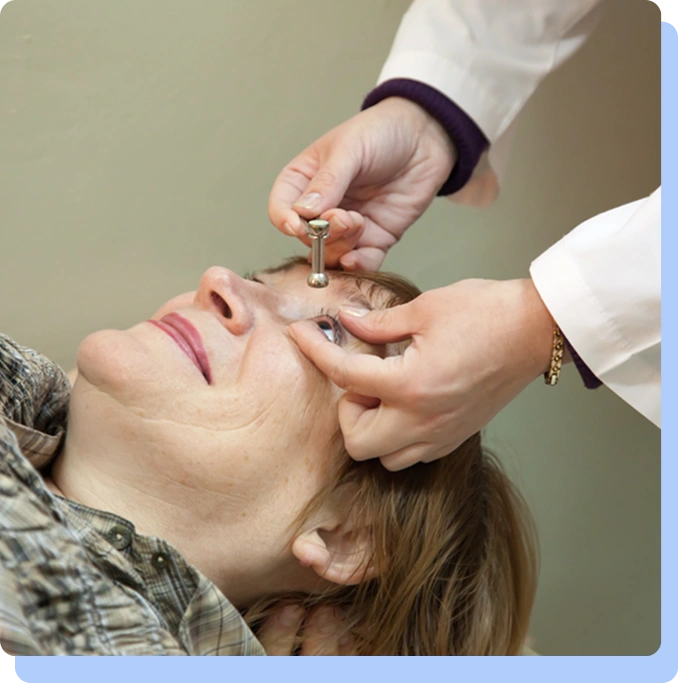
There is no clear evidence that semaglutide directly harms retinal tissue. Instead, current thinking focuses on indirect pathways:
More research is needed to clarify these mechanisms.
Some reported vision-related effects may be temporary, especially if they are linked to rapid glucose improvement. These can include:
However, in individuals with existing retinopathy, there may be a risk of progression, particularly without appropriate monitoring.
Not everyone using semaglutide or similar medications will experience eye-related issues. Risk appears to be concentrated in specific populations.
Individuals who may require closer monitoring include those with:
People without diabetes or without pre-existing eye disease are generally considered at lower risk for retinopathy-related complications. However, vision changes of other types (such as temporary blurriness) can still occur in some cases.
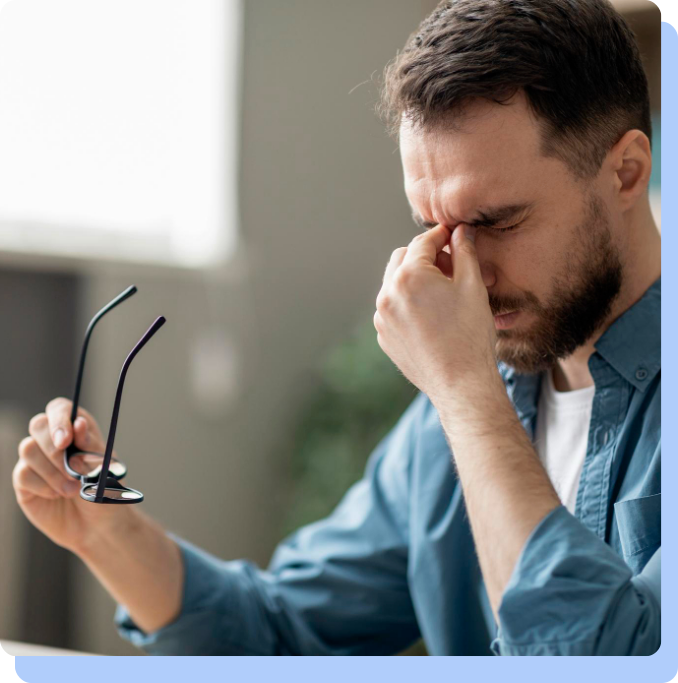
Vision changes can have many causes, and not all are related to medication. However, certain symptoms should prompt attention:
These symptoms do not automatically indicate a serious issue, but they should be evaluated, particularly in individuals with diabetes.
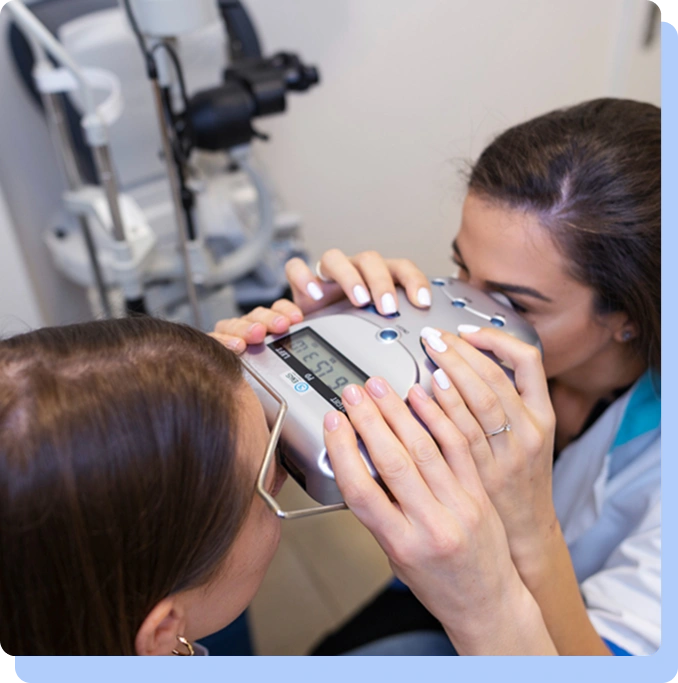
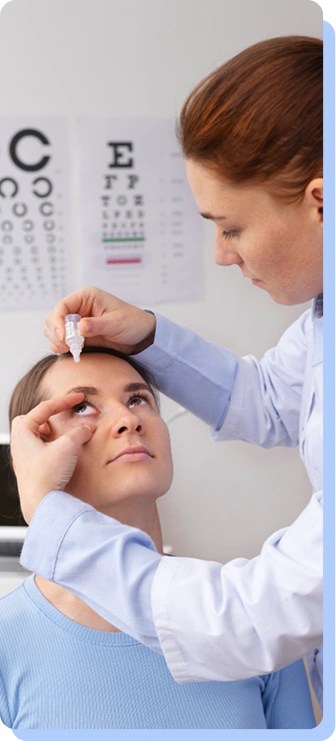
Because some eye-related changes may not produce early symptoms, routine eye exams play an important role in identifying problems before they progress.
Monitoring is especially important during:
For individuals with diabetes, standard recommendations often include:
This aligns with broader diabetes care practices, not just semaglutide use.

The investigational designation is not just a technical detail—it has real implications for safety, access, and expectations.
Although early studies may suggest a drug is generally well tolerated, long-term safety is often unknown.
This uncertainty is why investigational drugs are carefully monitored in controlled settings.
Even if early data appears promising, results are not yet definitive.
For example, some investigational medications are being studied for metabolic regulation or weight-related outcomes, but more research is needed to confirm their long-term effectiveness.
Investigational drugs are generally not available through standard prescriptions. Instead, access may occur through:
This limitation helps ensure patient safety and data integrity.
Because investigational drugs are not fully approved, claims about their benefits must remain cautious and evidence-based.
Appropriate language includes:
Statements should avoid:
Understanding the investigational status helps align expectations with current evidence.
It does not mean the drug is proven to work
It does not mean it is safe for all populations
It does not mean it will eventually be approved
The drug is promising enough to study
Researchers are actively collecting data
Conclusions are still being formed
This distinction is important when evaluating information found online or in media coverage.
Not all vision-related effects are tied to diabetic retinopathy.
Some individuals may also experience:
These are less well studied in relation to GLP-1 medications and may have multiple contributing factors.
While some studies have identified a link between semaglutide use and diabetic retinopathy complications, the interpretation is complex:
More long-term and real-world data are needed.
It is important not to generalize these findings to all patients:
The emphasis on eye exams is not because problems are expected in every case, but because:
There is no evidence that semaglutide directly causes blindness. However, in individuals with pre-existing diabetic retinopathy, some studies have reported worsening of the condition. This appears to be related to rapid improvements in blood glucose rather than a direct toxic effect.
Rapid reductions in blood glucose can temporarily affect the retinal blood vessels. This phenomenon has been observed with multiple diabetes treatments and is not unique to semaglutide.
For individuals with diabetes, a baseline eye exam is often recommended as part of standard care. This helps identify any existing retinopathy and establish a monitoring plan.
Some changes, such as temporary blurriness related to glucose fluctuations, are often reversible. However, progression of diabetic retinopathy can lead to lasting effects if not managed appropriately.
The risk of diabetic retinopathy-related complications is primarily relevant to individuals with diabetes. Those without diabetes are generally at lower risk, though temporary vision changes may still occur in some cases.
If they occur, changes are more likely during the early stages of treatment or during periods of rapid blood glucose improvement. However, timing can vary widely between individuals.
Eye health is an important but often overlooked aspect of metabolic treatment discussions. With semaglutide and similar medications, current research suggests that vision-related concerns—particularly diabetic retinopathy—are most relevant for individuals with pre-existing eye disease and significant changes in blood glucose levels.
Rather than indicating a direct harmful effect, these findings highlight the importance of monitoring, gradual metabolic adjustments, and individualized care.
For those considering or already using semaglutide, understanding how eye health fits into the broader safety picture can support more informed conversations with healthcare providers. Exploring the full /safety/ section can also provide additional context on other systems that may require attention during treatment.