
Semaglutide is a GLP-1 receptor agonist that has been widely studied for its role in blood sugar regulation and weight management. In recent years, researchers have also explored its potential effects on kidney health, particularly in people with chronic kidney disease (CKD).
Chronic kidney disease is a progressive condition characterized by declining kidney function over time, often linked to diabetes, hypertension, and metabolic disorders. Because semaglutide is already used in populations at higher risk for CKD—especially those with type 2 diabetes—it has become an important area of investigation in kidney-related outcomes.
This page summarizes current research on semaglutide and chronic kidney disease, including what clinical trials suggest, how kidney outcomes are measured, and where uncertainties remain. It is part of the broader /semaglutide-research/ hub and should be read alongside related pages such as /semaglutide-and-kidney-health/ and /semaglutide-and-blood-sugar/ for additional context.



Retatrutide is being studied as a triple agonist, targeting three key receptors involved in metabolic regulation:
This multi-receptor approach distinguishes it from earlier therapies that act on only one or two pathways. While this may offer broader metabolic effects, it also introduces additional considerations when evaluating safety.
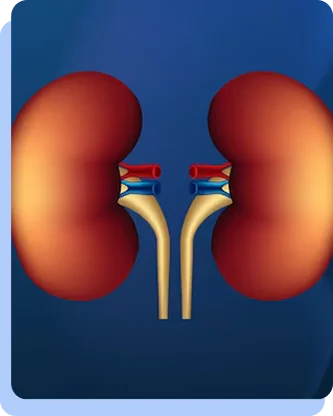
Chronic kidney disease refers to a gradual loss of kidney function over time. It is typically defined by:
CKD is often categorized into stages (1–5) based on severity, with stage 5 representing kidney failure.
CKD is closely tied to conditions such as:
These overlapping risk factors are important because semaglutide is commonly studied in populations where CKD risk is already elevated.


The SUSTAIN clinical trial program evaluated semaglutide in people with type 2 diabetes. While the primary focus was glycemic control, several trials included secondary kidney-related outcomes.
Observed Findings
Across multiple SUSTAIN trials, semaglutide was associated with:
These findings were exploratory rather than primary endpoints.
Interpretation
Because kidney outcomes were not the main focus, these results are considered hypothesis-generating rather than definitive.

SUSTAIN-6 specifically evaluated cardiovascular outcomes but also reported renal endpoints.
Key Kidney-Related Findings
Important Context
This aligns with findings discussed in /semaglutide-research/cardiovascular-outcomes/, where metabolic and vascular improvements appear interconnected.

The STEP trials focused on weight management in individuals with overweight or obesity.
Relevance to CKD
Although kidney outcomes were not the primary focus, these studies are relevant because:
Observations

The FLOW trial represents one of the most important developments in this area, as it is specifically designed to evaluate semaglutide in people with CKD.
Study Focus
Current Status
At the time of writing, results from this trial are emerging and being closely evaluated. Early reporting suggests potential benefits in slowing CKD progression, but full interpretation requires peer-reviewed data and long-term follow-up.
Understanding CKD research requires familiarity with key metrics:
Clinical trials often use combined endpoints such as:
Semaglutide studies have most consistently shown effects on albuminuria, with more variable findings on eGFR decline.
Improved blood sugar levels reduce stress on the kidneys over time. This is particularly relevant in diabetes-related CKD.
Weight loss may:
These changes can indirectly influence kidney health.
Although not a primary antihypertensive agent, semaglutide has been associated with modest reductions in blood pressure, which may support kidney function.
Some studies suggest GLP-1 receptor agonists may influence inflammatory pathways, though this remains an area of ongoing research (see /semaglutide-and-inflammation/).


CKD management typically involves:
Semaglutide may contribute to several of these areas simultaneously, which is why it is being studied in this context.
CKD and cardiovascular disease are closely linked. Improvements in cardiovascular risk factors—discussed in /semaglutide-and-heart-health/—may also influence kidney outcomes.

Gastrointestinal side effects are common across these categories
Dose titration improves tolerability
Appetite suppression is a shared effect
Retatrutide’s triple mechanism introduces additional variables
Glucagon receptor activity may influence energy expenditure differently
Safety profile may evolve as more data becomes available
Much of the current evidence comes from trials where kidney outcomes were not the primary focus. This limits how strongly conclusions can be drawn.
Reductions in albuminuria are encouraging, but they do not always translate directly into long-term preservation of kidney function.
Most studies focus on individuals with:
Results may not apply equally to:
CKD progresses slowly, and many trials have relatively short follow-up periods. Long-term effects remain uncertain.
Dedicated kidney trials like FLOW are still being analyzed. As more data becomes available, understanding of semaglutide’s role in CKD may evolve.
Current research suggests semaglutide may reduce markers of kidney damage, such as albuminuria. However, evidence on long-term improvement in kidney function (e.g., sustained eGFR preservation) is still developing.
Semaglutide is not primarily indicated for CKD treatment. It is being studied for its potential role in kidney-related outcomes, particularly in people with type 2 diabetes.
Some clinical trials suggest it may slow certain aspects of CKD progression, especially in high-risk populations. However, more research is needed to confirm these effects.
Most observed benefits appear to be indirect, related to improvements in blood sugar, weight, and cardiovascular risk factors. Direct kidney-specific effects are still being studied.
Semaglutide has been studied in individuals with varying levels of kidney function. Safety profiles depend on individual health status and should be evaluated by a qualified healthcare provider.
Semaglutide is an investigational area of interest in chronic kidney disease research, particularly because of its effects on metabolic and cardiovascular risk factors. Current evidence suggests potential benefits in reducing markers such as albuminuria and possibly slowing aspects of disease progression in certain populations.
However, much of the data comes from secondary outcomes, and long-term kidney-specific effects remain under investigation. Dedicated trials like FLOW are expected to provide more clarity, but as of now, conclusions should be approached with appropriate caution.
For a broader understanding of how semaglutide interacts with metabolic and organ-specific systems, you may also explore:
As research continues to evolve, a clearer picture of semaglutide’s role in CKD may emerge. For now, it remains an important but still developing area of study.